
The rise of artificial intelligence (AI) and more accessible platforms has led to a new era of creative confidence. With the development of AI-powered creative tools and the ability to share creations on platforms such as YouTube, TikTok, and Instagram, individuals are able to express themselves and share their creations with a wider audience than ever before.
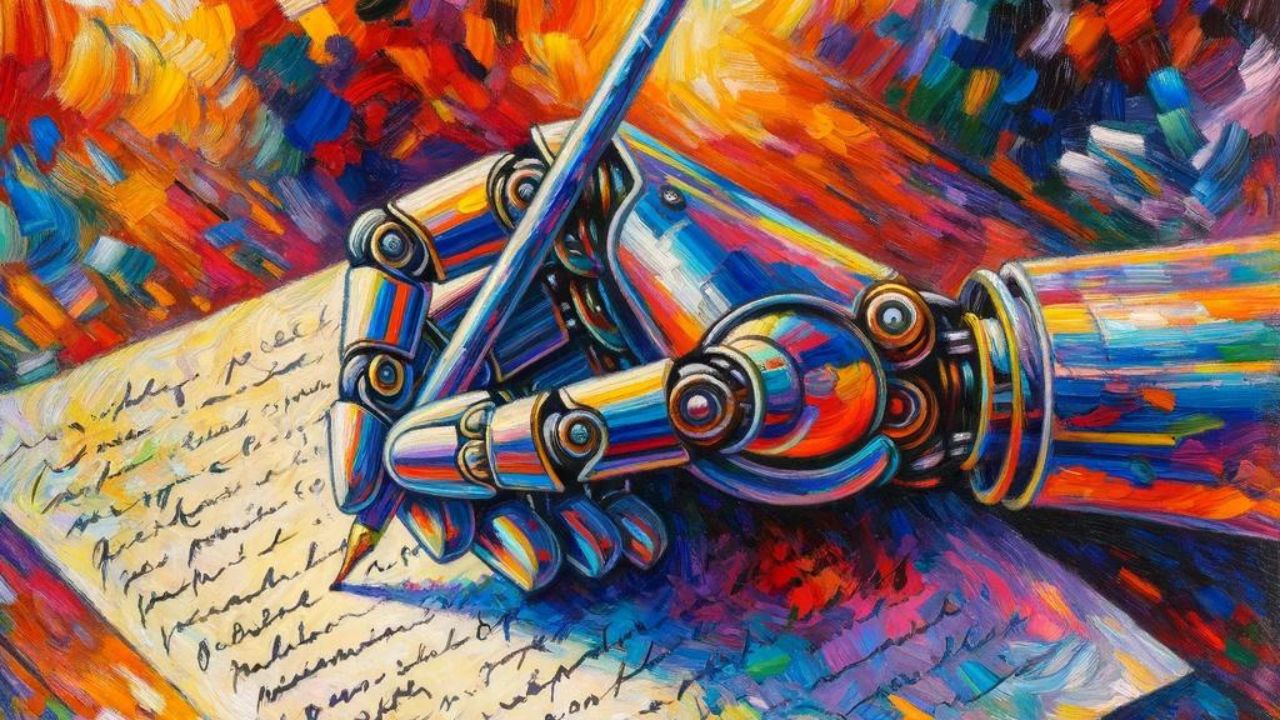
One of the main drivers of this shift is the development of AI-powered creative tools. These tools allow users to generate unique and original content, such as music, art, and writing, with minimal effort. For example, AI-powered music generators can analyze a set of input parameters, such as genre and mood, and generate a complete song using algorithms. Similarly, AI-powered art generators can create unique and complex designs based on a few input parameters, such as style and color palette. These tools have made it easier for people to express themselves creatively, even if they have little to no experience in the field.
In addition to AI-powered creative tools, the rise of more accessible platforms has also contributed to the decline in the learning curve for creative skills. Platforms such as YouTube, TikTok, and Instagram have made it easier for people to share their creations with a wider audience. These platforms have also made it easier for people to learn new creative skills, as they can access a vast library of tutorials and how-to guides. As a result, more people are able to express themselves creatively and share their creations with others.
The decline in the learning curve for creative skills has led to a new era of creative confidence. People are no longer limited by their lack of experience or expertise in a particular creative field. With the help of AI-powered creative tools and more accessible platforms, anyone can express themselves creatively and share their creations with the world.
However, the rise of AI and more accessible platforms has also raised questions about the role of human creativity in the future. Some have expressed concern that AI-powered creative tools may eventually replace human creativity entirely. While it is true that AI has the potential to revolutionize the creative process, it is important to remember that it is simply a tool. It is up to humans to decide how to use it and how to continue to nurture and develop their own creative skills.
Overall, the rise of AI-powered creative tools and more accessible platforms is leading to a decline in the learning curve for creative skills. This has resulted in a new era of creative confidence, where individuals are able to express themselves and share their creations with a wider audience than ever before. As the use of AI and accessible platforms continues to grow, it is likely that we will see even more people expressing themselves creatively and sharing their creations with the world.
In summary, the rise of artificial intelligence (AI) and more accessible platforms such as YouTube, TikTok, and Instagram has led to a new era of creative confidence. With the development of AI-powered creative tools, individuals can now generate unique and original content with minimal effort, making it easier for people to express themselves creatively and share their creations with a wider audience. Additionally, platforms have made it easier for people to learn new creative skills by providing access to tutorials and how-to guides. However, this shift in creative landscape has also raised questions about the role of human creativity in the future and the potential of AI to replace it. While AI has the potential to revolutionize the creative process, it is important to remember that it is ultimately a tool and the human touch will be always in need.
OTHER RELATED TOPICS:
Want to learn more how our expert team can help you? Learn More